

 Experiences
 Destinations
 Accommodation
 Slovenia Green Routes
Destinations | Green news |
Best sustainable practices of Slovenian green destinations in 2025
From involving locals in the preparation of tourism strategies to mutual support between local tourist attractions and the re-chipping of glass beer mugs. We present the practices that stood out the most in our destination assessments.
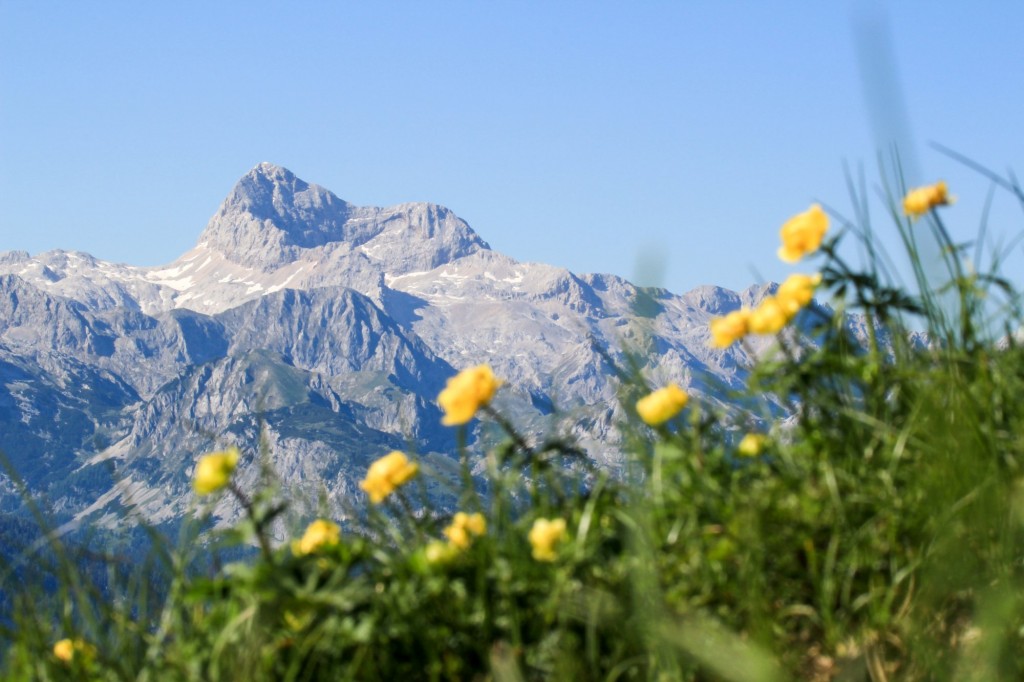
When assessing destinations, we sometimes come across practices that particularly impress us. Regardless of whether they have earned the bronze, silver, gold, or platinum Slovenia Green label, some deserve to be highlighted and praised. Let the innovation described below be an encouragement for their visit – and for imitation.
Bled: Open Days
For local residents of the most visited tourist destinations, life is not always easy. And Bled, which impresses with probably the most recognizable panorama of Slovenia, is one of those places. It will probably be difficult in Bled to meet all suggestions and wishes, but their decision to invite local residents and tourism providers to the open days is certainly a brave one. And the right one. Locals can, without prior notice, arrange a meeting with the team and the director of the Public Institute Turizem Bled, who want to listen to suggestions, directions, wishes, and constructive criticism in the field of destination management. Open days take place several times a year, and everyone is welcome. People of Bled, have you heard? And other major tourist destinations in Slovenia? Because here we can all agree: without the locals, their (well-kept) gardens and balcony railings, gardens and still active farms, a tourist destination would only be a very nice shopping center… And that’s something neither locals nor tourists want.
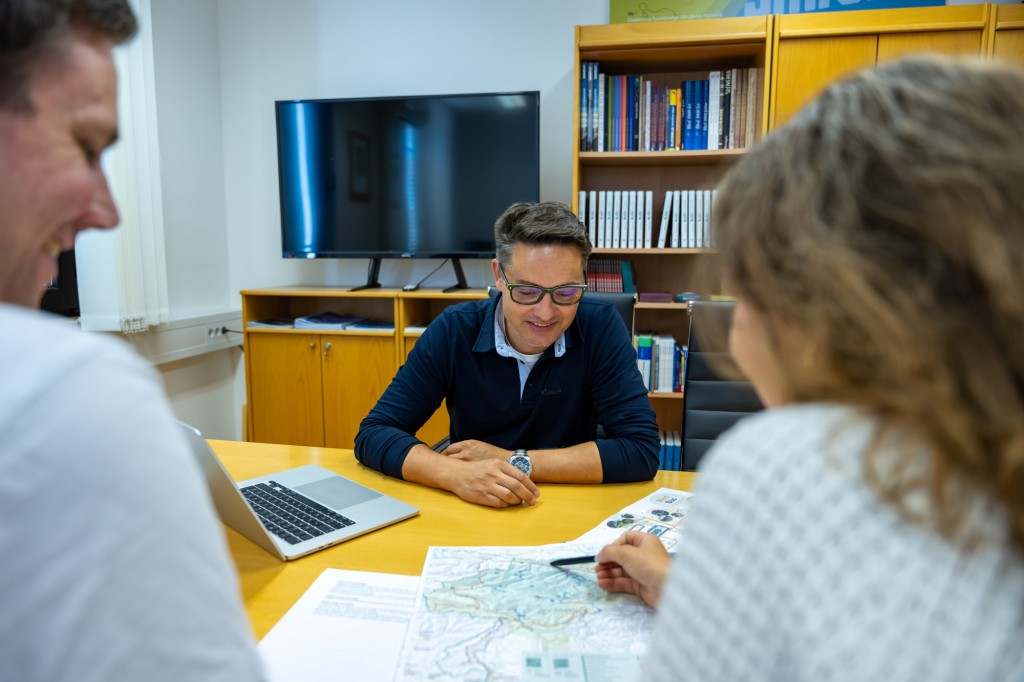
On the Bled Open Days, locals and the Turizem Bled team open a dialogue about the future of the destination.
Bohinj: My Bohinj 2030
In the destination with the largest permanent lake in Slovenia, a strategy and action plan for tourism called My Bohinj 2030 has been prepared. The short name highlights two things: first, the adjective “my” – indicating that the main role in the initiative belongs to the locals, those who call Bohinj “theirs” for more than just the few days of a tourist’s visit. And second, the year 2030 shows orientation toward the future, for a longer period than, for example, a mayor’s mandate. During the creation process, residents (including schoolchildren) were involved in innovative ways, and even after January 2025, when the strategy was adopted, communication with them continues. Reports on the implementation of the strategy are published on the website. It is good to see that the strategy is not just a document that lies forgotten in a drawer, but a commitment transparently supported by the Bohinj Municipal Administration and Turizem Bohinj. We will continue to follow the progress.
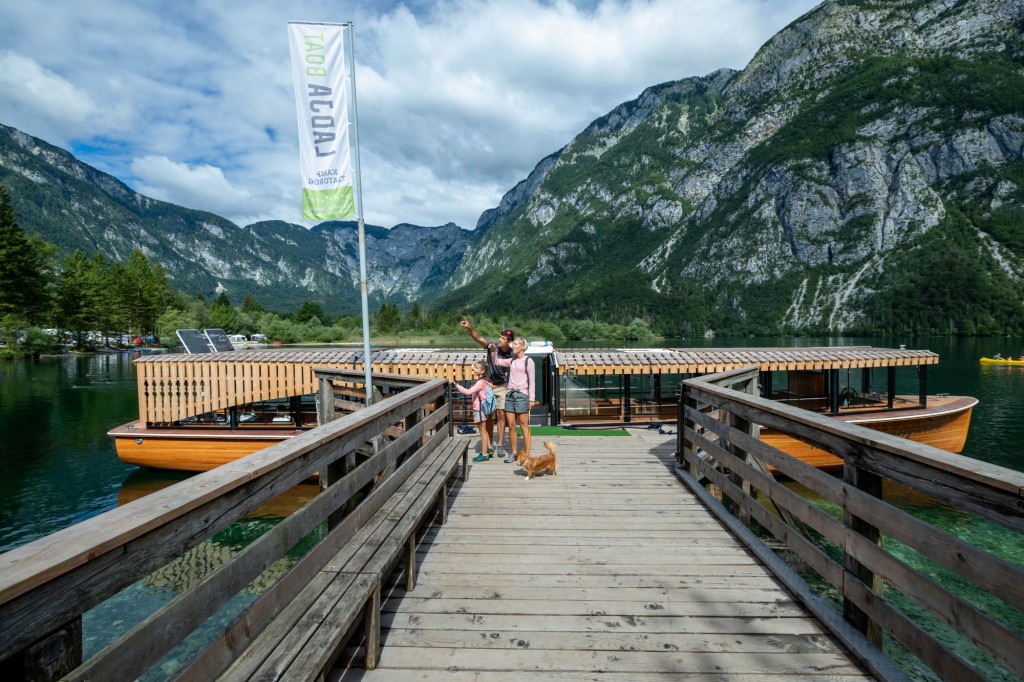
Lake Bohinj – where locals and nature lead the future of tourism. (photo: Mitja Sodja)
Celje: Renovation of the Pelikan Photo House
Nowadays, when everyone has a high-quality camera in their pocket phone, it is difficult to imagine how people “stopped time” more than a century ago. One of the best-preserved studios is in Celje, in the museum complex of the Pelikan Photo House. The story of the photographic studio goes back to 1899, when Celje photographer Johann Martin Lenz worked there, and after his death, the house was first rented and then purchased by photographer Josip Pelikan. His heritage was carefully overseen by his two daughters, and in the 1990s a gradual transfer under the care and protection of the Museum of Recent History Celje began. In an extensive project, they managed to renovate and preserve two photographic studios with the associated equipment, some of which is still functional. This is an exceptional example of preserving cultural and technical heritage, and the Pelikan Photo House was even awarded Museum of the Year. Click – if you would like to have your portrait taken in nineteenth-century style, alone or with your family, you know where to go.
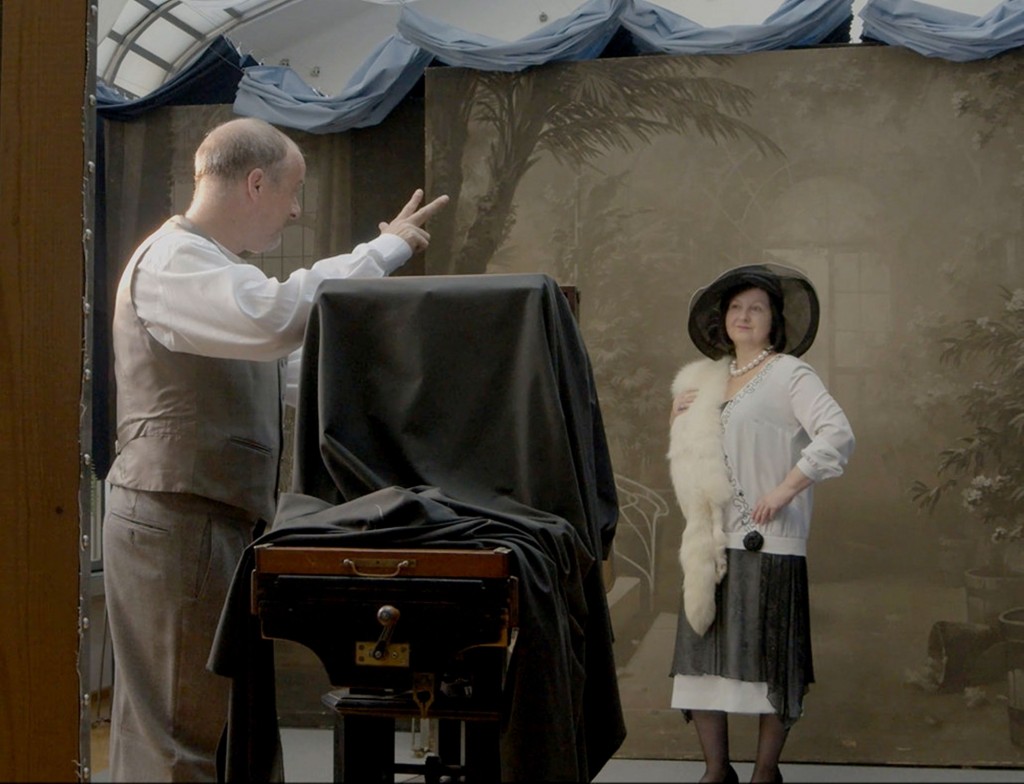
Portrait photography in the nineteenth-century style at the Pelikan Photo House in Celje. (photo: Egon Horvat)
Cerkno: 1 Euro for the Renovation of Franja from Every Ticket to Divje Babe
They say you recognize a friend in misfortune. And this proved true in Slovenia during the severe floods that hit much of the country in 2023. Among those heavily affected was the Franja Partisan Hospital, a military hospital hidden in a narrow gorge, one of the main attractions of the Cerkno destination. Since renovation will be expensive and long-lasting, it was decided that visitors to another important attraction in the Cerkno area, the Divje Babe Archaeological Park, would help raise funds. Visitors do not contribute money directly, but one euro per visitor will be contributed by the local Tourism Board. And even just spreading the importance of solidarity is a powerful symbolic gesture. Now you know – let’s all go to the Divje Babe Archaeological Park, so that we will soon be able to visit the Franja Hospital again.
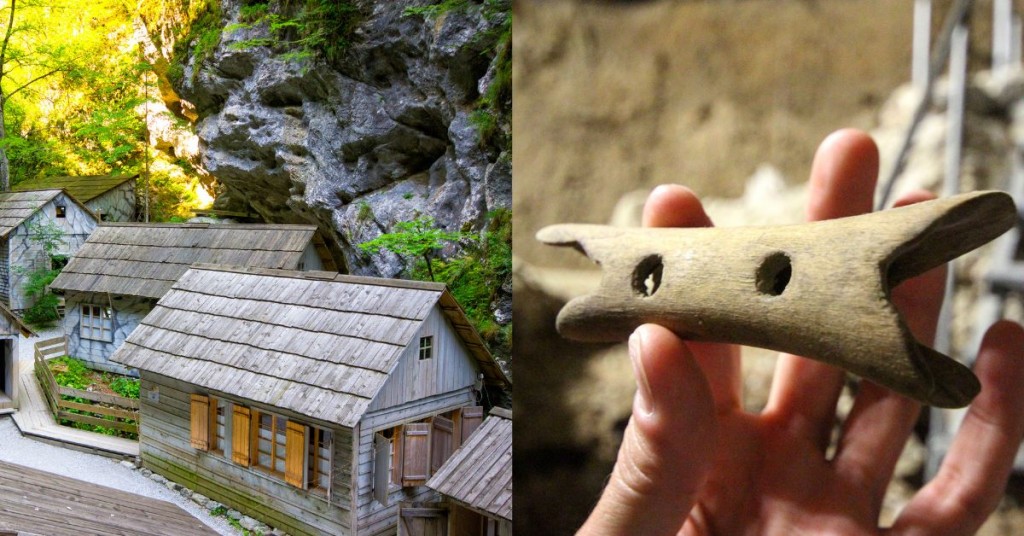
The renovation of Franja supported by visitors to Divje Babe.
Koper: Visitor Center Kraški Rob
When you mention Koper to a Slovene, they think of the sea. But the wider Koper destination also reaches into the interior of Istria, to the area where the flysch landscape of Istria, with its steep tectonically fractured edge, rises into the karst plateau. The Kraški Rob area has long been known to climbers, hikers, and cyclists, but now visitors also have a point that contributes to the orderly and careful exploration of this fragile natural environment. The Visitor Center Kraški Rob, located under the mighty Črni Kal viaduct and along the route of the second railway line, is a kind of entry point, intended primarily for visitors, but indirectly also for local residents, as it aims to establish a managed system for exploring local attractions, cultural heritage, and biodiversity.
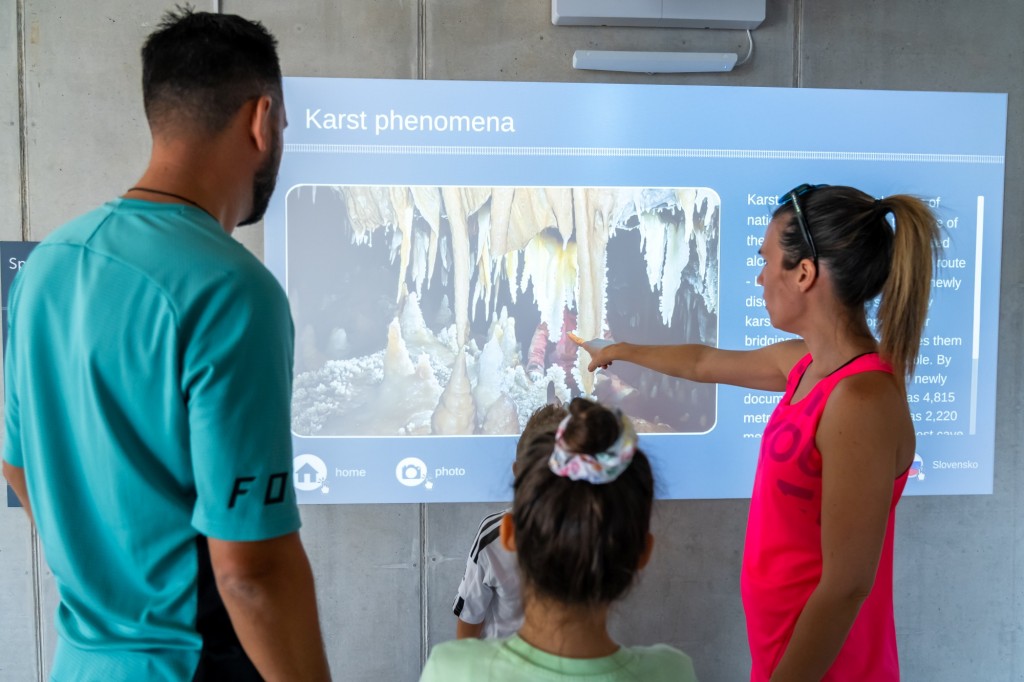
Exploring karst phenomena at the Visitor Center Kraški Rob.
Šmarje pri Jelšah: Tourism as Part of the Integrated Transport Strategy
In the Green Scheme we have long encouraged destinations to consider tourists when organizing local mobility, as their wishes and needs may differ from those of locals. Well-organized infrastructure (especially parking lots and cycling paths) can help reduce the negative impacts of tourist visits. Šmarje pri Jelšah, a municipality with around ten thousand residents, was the first member of the Slovenian Green Scheme of Tourism to include tourism in its new municipal transport strategy. In their key mobility planning document, they wrote that by developing transport infrastructure, such as new cycling paths, and improving accessibility to natural, cultural, and historical attractions – also by arranging new parking lots – they will further strengthen the municipality’s tourist appeal.
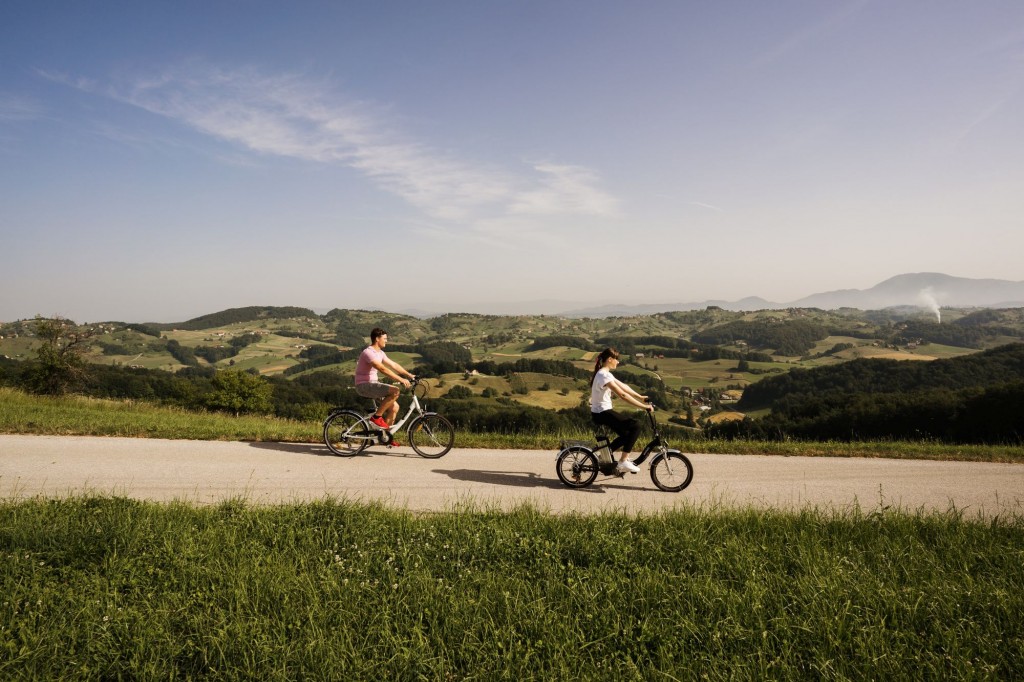
Šmarje pri Jelšah is enhancing its attractiveness by investing in well-maintained cycling paths and sustainable mobility. (photo: Katja Šket)
Žalec: Bring your own mug
Did you know that Slovenia has the first beer fountain in the world? No? The beer fountain is located in Žalec, surrounded by hop fields. It works like this: a visitor buys a special glass mug with a chip and then fills it with refreshing hop drinks. The glass mug, which remains the permanent property of the visitor, until recently had to be purchased anew each time. Visitor can return with their old mug and have it re-chipped at a lower price. This is an excellent example of reuse of an already sustainable material – glass. Žalec, cheers!
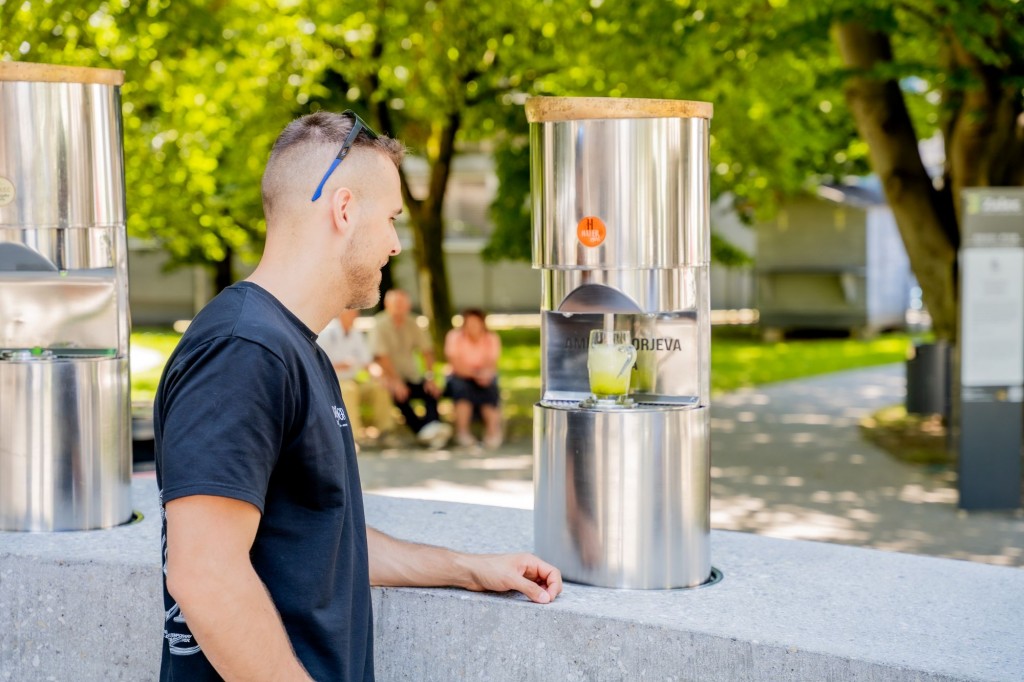
The beer fountain in Žalec invites visitors to taste local hop drinks with their own mugs. (photo: Horizonmedia)
The selected green practices were chosen by the evaluators who review and assess destinations in the process of obtaining the Slovenia Green certificate. Read more about the Green Scheme of Slovenian Tourism here.
#Green destinations #green news #green tips #slovenia green