

 Experiences
 Destinations
 Accommodation
 Slovenia Green Routes
Destinations | Green news |
Best sustainable practices of the Slovenia Green certified destinations in 2026
From smarter mobility and support for local businesses to reusable cups, cleaner streets and better visitor management. These are the destination practices that stood out in our 2026 Slovenia Green assessments.
As every year, we want to highlight interesting practices from Slovenian destinations, each of which is making an effort, in its own way, to approach things a little differently. Firstly, because we want to praise their ingenuity and dedication, and secondly, to inspire all other destinations and individuals.
Ankaran: We, the supporters and guardians of beauty
For many people, the name Debeli rtič brings back memories of primary-school summer camps, or perhaps charitable campaigns that enabled children to enjoy holidays by the sea. Fewer of us know that this peninsula stretching into the Adriatic Sea is part of a protected natural area, the Debeli Rtič Landscape Park.
In Ankaran, they decided to make the rules of conduct on land and at sea easier for visitors to understand and created the Become a Supporter website, where they collect pledges from everyone committed to protecting this natural gem. At the time of writing, 1,524 lovers of a clean and peaceful Debeli rtič had already signed the pledge. On behalf of the seagulls, cicadas, crabs and fish: thank you to everyone who signed!
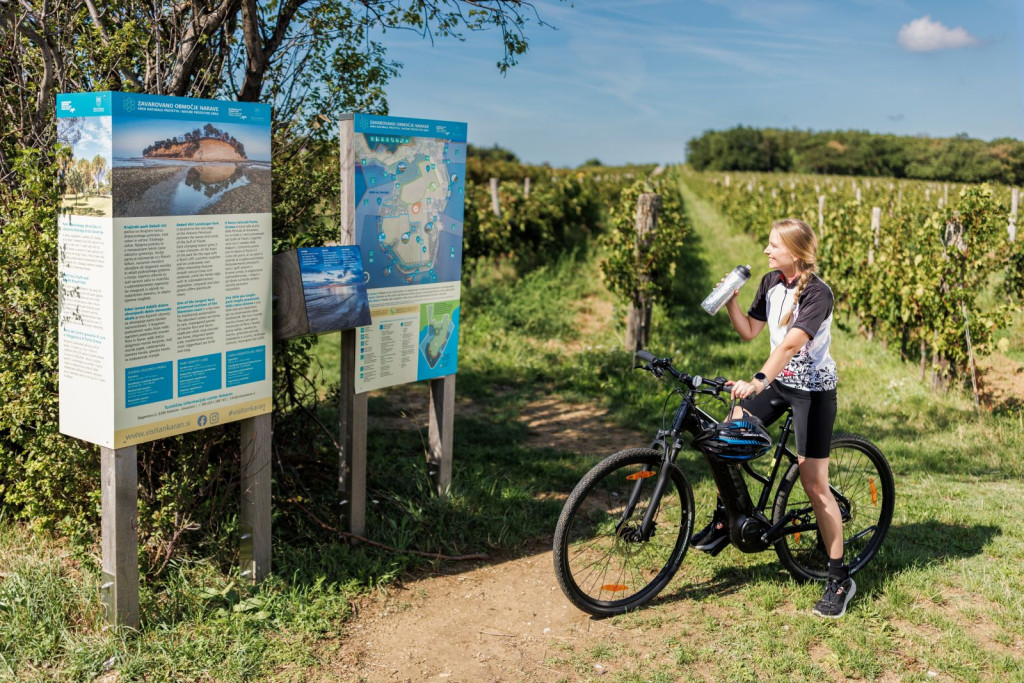
The Become a Supporter initiative helps visitors discover Debeli Rtič Landscape Park while learning how to protect its natural environment. (Photo: Jaka Ivančič)
Bela krajina: Destination support for taking a step towards green
Among other things, the Slovenia Green certification requires destinations to inform everyone involved in local tourism about sustainable business practices and to support them in doing so. While information is often provided, direct support for entering the greener world remains rare.
In Bela Krajina, however, they took decisive action and published a call for co-financing participation in the Green Scheme of Slovenian Tourism and obtaining the Slovenia Green label. Yes, joining the community of those who care about a green Slovenia. We are genuinely happy about every new member. So: thank you, Bela krajina.

Bela krajina supports local tourism providers in taking the next step towards Slovenia Green certification. (Photo: Jan Kocjan)
Idrija: The carrot and the stick
Every year, more and more swimmers from outside the area discover the refreshing delights of the Idrijca River, alongside the locals. And they usually reach its beautiful natural swimming spots – naturally – by car. But because the valley is narrow, the influx results in too many cars competing for too few parking spaces, as well as parking on meadows and roadsides.
The solution? Firstly, parking bans or time restrictions and stricter enforcement in certain areas where parked vehicles obstruct bus traffic. Secondly – yes, you guessed it – a free bus running almost every hour from Idrija and Črni Vrh above Idrija to the most beautiful swimming spots. When a visitor weighs up free transport against paid parking or the possibility of a fine, making the right choice suddenly becomes easier. Find out more at idrija.si
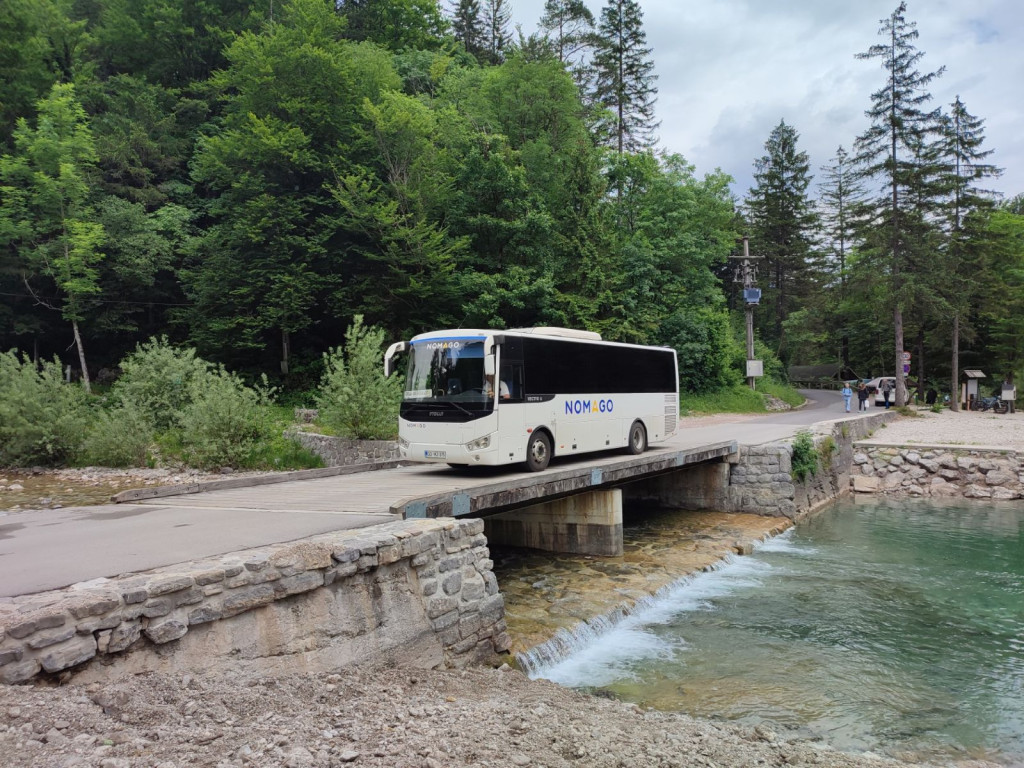
Idrija combines parking restrictions with a free shuttle bus to make access to popular swimming spots along the Idrijca River easier without a car.
Kamnik: Micro-destinations for easier management
What comes to mind when someone says, “Let’s go to Kamnik”? The historic town centre beneath the Kamnik–Savinja Alps? Perhaps the valley of the ice-cold Kamniška Bistrica River and Velika Planina above it? Or the Tuhinj Valley with Menina Planina?
These diverse areas have become Kamnik’s “micro-destinations”, each at its own stage of development and with its own distinctive characteristics. Kamnik as a destination has been divided into three smaller areas, each with its own separate action group, while the Kamnik Tourism and Sports Institute oversees their coordination. The ultimate goal, however, is exactly the opposite of division: they want to present Kamnik as a geographically and product-wise coherent area where everyone can find something for themselves.
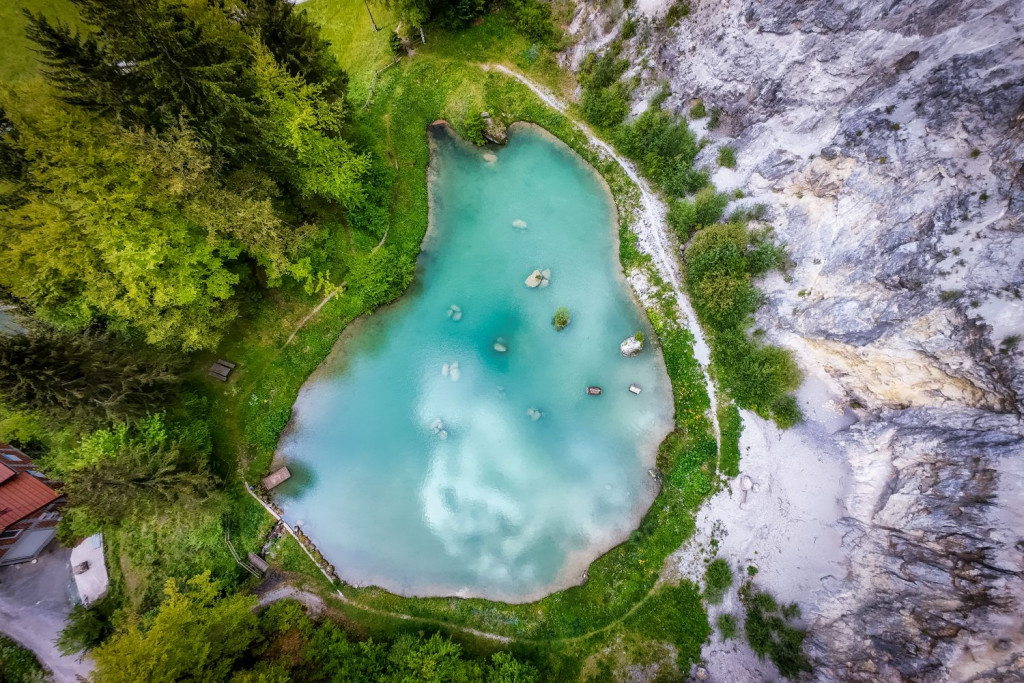
Kamnik’s micro-destination approach helps manage areas such as the Tuhinj Valley according to their own character and development needs. (Photo: Miro Hrkalović)
Kranj: A journey planner in the palm of your hand
The Slovenia Green certification standard requires destinations to set targets and measures for reducing greenhouse-gas emissions and then put them into practice. In Kranj, they set themselves the goal in 2020 of reducing transport emissions by one fifth. How? Well, we all know that is not easy, but one of their tools is certainly worth highlighting.
The Smart Kranj mobile app provides residents and visitors with useful information in one place, including bus timetables, available bicycles, EV charging stations and shared electric vehicles, parking availability and more. The app also includes a journey planner for the city and surrounding area, showing different ways of getting from point A to point B, together with journey times, CO₂ emissions and the number of Kranjska sausages burned – sorry, calories.
You can watch a video about it here.

The Smart Kranj app combines transport, parking and route planning, with travel time and CO₂ estimates. (Photo: Jošt Gantar)
Ljubljana: Weighing waste in hotels
Being “zero waste” sounds appealing, but getting from the idea to implementation is not as simple as it might seem. Ljubljana Tourism began introducing a “zero waste” strategy among Ljubljana hotel operators back in 2023, primarily with the aim of involving as many hotels as possible in regularly weighing their waste. Eight hotels took part in 2024 and 2025, and in 2026 they want to increase that number and extend the weighing period from three to seven days.
By weighing different types of waste, they obtain precise data that helps them plan further sustainability measures. And eventually… and we wish them every success, they will reach a point where there will be no need to weigh waste anymore, because there won’t be any. Or at least there will be much less of it.

Ljubljana hotels are weighing waste to get better data and reduce the amount they produce. (Photo: Marko Delbello Ocepek. Source: Ljubljana Tourism.)
Portorož Piran: We love (clean) Piran
People really can be messy creatures. Visitors – domestic or foreign – had been using niches in Piran’s town walls as convenient rubbish bins. So the Piran public utility company, Okolje Piran, decided to close off these niches – not with ugly fencing or bricks, but with attractive flower pots. They also installed signs with pictograms and warnings in three languages – Slovenian, Italian and English – to educate passers-by about appropriate behaviour.
And so the existing Love Piran campaign gained another small piece in the mosaic of helping people fall in love with this charming town on our beloved coast.
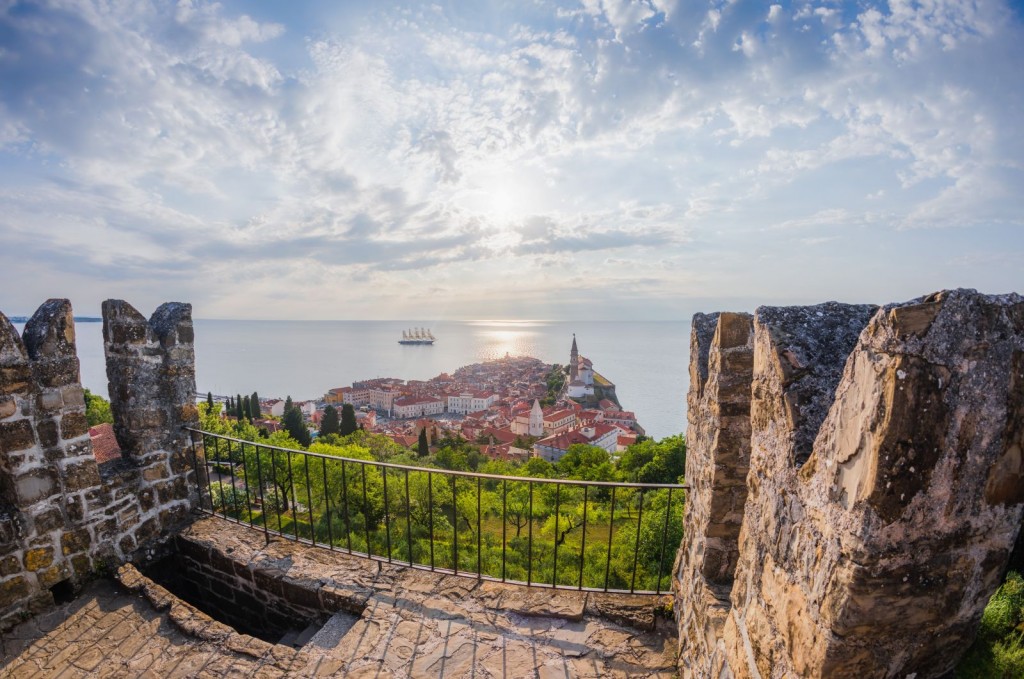
The Love Piran campaign uses simple visual messages to encourage responsible behaviour and help keep Piran clean.
Slovenj Gradec: Cycling into town
As part of the Kolesarske rajže cycling events, Slovenj Gradec invites people to relaxed recreational events every last Wednesday of the month from April to September, with the bicycle serving as both the common thread and the main means of transport.
Each event connects two hospitality venues, one outside the town and one in the centre, while participants are offered free use of city bicycles, refreshments at the finish and music by local performers. Because what could be better than, say, a portion of ice cream? A well-earned portion of ice cream!
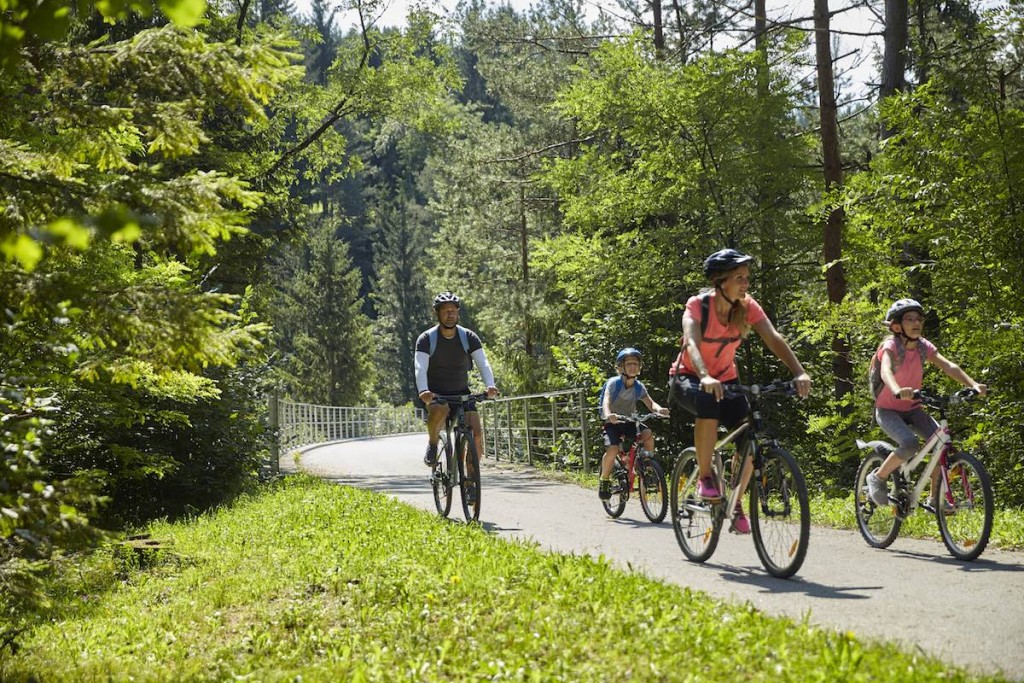
Kolesarske rajže cycling events in Slovenj Gradec connect recreation, local businesses and city life – all on two wheels.
Velenje: Encouraging visits during renovation
We know how awkward major renovations of town centres can be – for residents, visitors and local businesses alike. In Velenje, the extensive renovation of Cankarjeva Street was planned in individual sections so that the city centre would remain as accessible and lively as possible during the works. With the campaigns “Cankarjeva Is Open” and “See You in Town”, city vouchers, prize games, directional signs, and numerous online and video activations, they encouraged visits and supported local businesses.
Despite the demanding logistics, they also kept the city market at a temporary location in the city centre. Providers and visitors were further connected through larger activations such as the Velenje Magic Calendar and Treat Yourself in Town. The support for businesses during the renovation also led to the long-term strategic project Velenje VABI Gift Voucher, which encourages local spending and connects providers even after the renovation has been completed.

During the renovation of Cankarjeva Street, Velenje is encouraging people to keep visiting local shops, cafés and services with special offers and clear access information.
Žirovnica: We give you tea, you give us less waste
The traditional hike along the Cultural Heritage Trail in Žirovnica takes place on 8 February, the day Slovenia commemorates its greatest poet, who was born in Vrba near Žirovnica. And because 8 February falls in winter, a cup of hot tea or coffee is particularly welcome during the hike, with free drinks served at several points along the 10-kilometre route.
To avoid unnecessarily filling plastic bags with disposable plastic cups, organisers encourage participants either to buy a commemorative reusable cup or to bring their own cup from home.
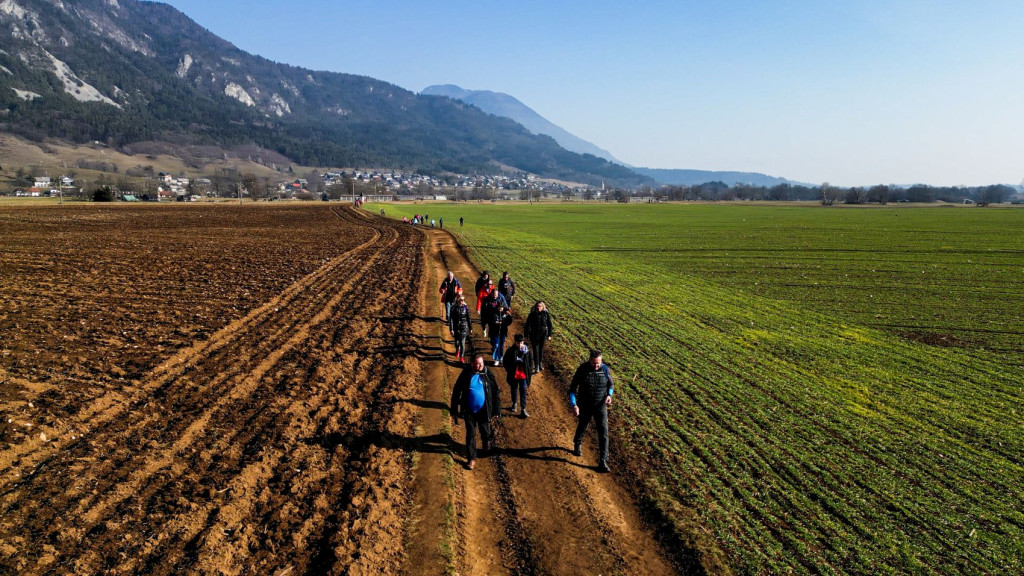
The traditional Cultural Heritage Trail hike in Žirovnica encourages participants to use reusable cups for hot drinks along the route. (Photo: Aleš Košir)
#Green destinations #slovenia green #slovenia green members